
News
News
April 22, 2026
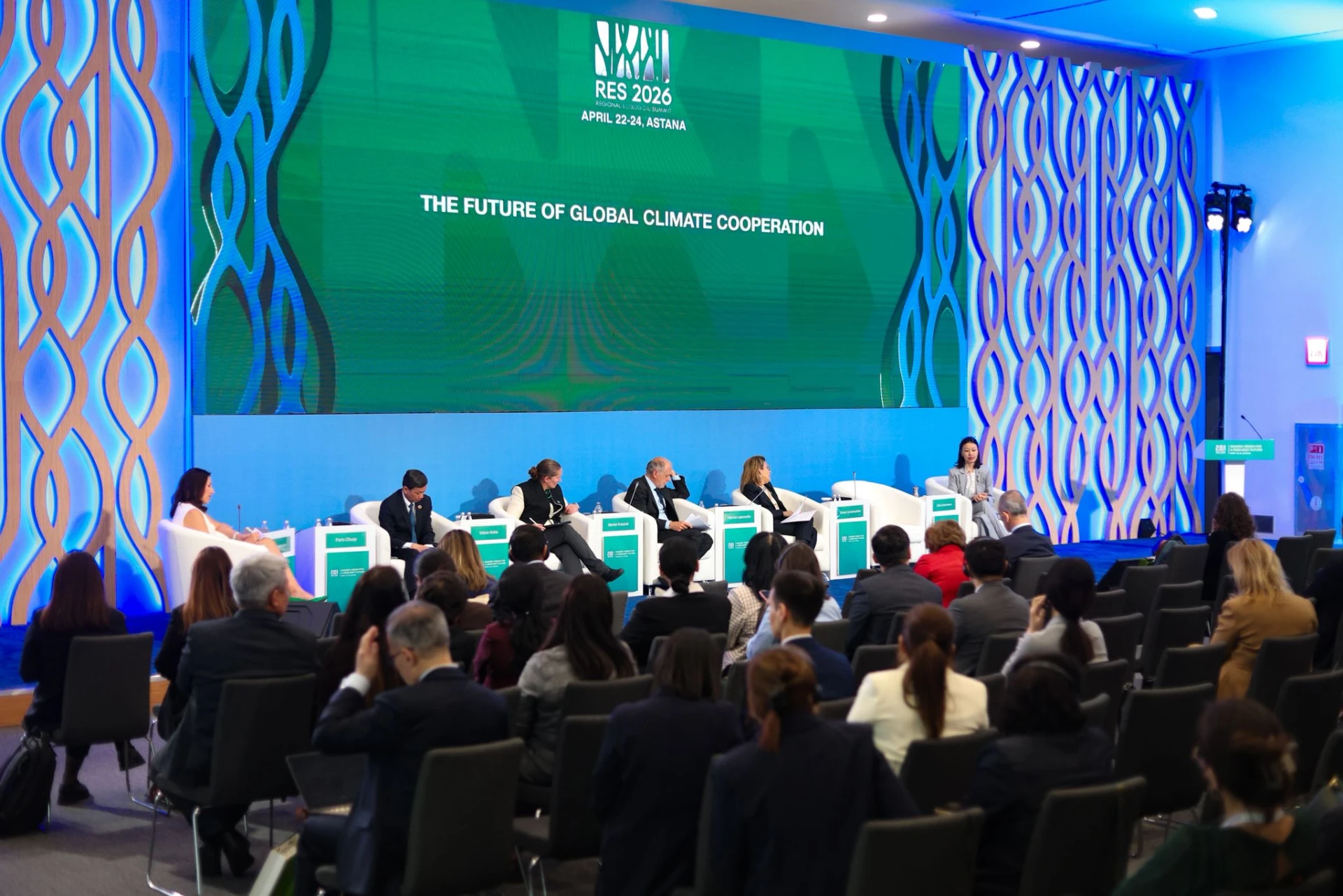
“The Future of Global Climate Cooperation” – AIF Session Summary at RESThe session brought together senior policymakers and experts to discuss how global climate cooperation must evolve in a more complex and fragmented environment.
Speakers emphasized the shift from commitments to implementation, highlighting the need for stronger regional cooperation, particularly in areas such as energy transition, water security, and environmental governance.
The discussion underscored the importance of pragmatic, inclusive partnerships, including greater engagement with the private sector, to deliver tangible outcomes.
The session concluded that future climate cooperation must be action-oriented, regionally grounded, and aligned with national priorities.

December 07, 2025
Middle Powers as Bridge-Builders: Reinventing Global CooperationMiddle Powers as Bridge-Builders: Reinventing Global Cooperation
Doha Forum 2025 | In partnership with the Astana International Forum (AIF)
Doha, Qatar – 7 December 2025
The Doha Forum 2025 convened leading policymakers, diplomats, and scholars for a high-level session titled “Middle Powers as Bridge-Builders: Reinventing Global Cooperation,” co-organized with the Astana International Forum (AIF). The discussion focused on how middle powers – states that are neither small nor dominant global actors – are increasingly shaping diplomacy, mediation, and economic connectivity amid accelerating geopolitical transformation.
The session was moderated by Charles McLean, Founder and Managing Director of Borderless Consulting Group, and featured three distinguished speakers:
• Zhandos Shaimardanov, Director of the Kazakhstan Institute for Strategic Studies under the President of Kazakhstan (KazISS)
• Ambassador Thomas Greminger, Executive Director of the Geneva Centre for Security Policy (GCSP)
• Joshua Lincoln, Senior Fellow at the Center for International Law and Governance, Fletcher School, Tufts University
Together, the panel explored how middle powers are redefining global governance, navigating great-power competition, and leveraging diplomacy to promote stability.
Middle Powers in a Time of Geopolitical Change
Opening the session, moderator Charles McLean noted that recent shifts – particularly the recalibration of U.S. global engagement, the rise of new regional powers, and heightened geopolitical fragmentation – have created a widening space for middle powers to assert leadership.
“Traditional expectations about who leads on global issues are changing,” McLean noted. “Middle powers increasingly act as bridge-builders capable of keeping dialogue alive where great-power relations are strained.”
Kazakhstan’s Middle-Power Model: Predictability and Multi-Vector Diplomacy
KazISS Director Zhandos Shaimardanov highlighted Kazakhstan’s evolving role as an emerging middle power. He emphasized that Kazakhstan’s identity stems not from military power or population size, but from a foreign policy grounded in:
• Predictability
• Balance
• Respect for international law
Over three decades, Kazakhstan has pursued a multi-vector foreign policy, developing strong partnerships with the United States, China, Russia, the European Union, and key Gulf states. This diversification, Shaimardanov explained, is not a sign of uncertainty but a strategic choice to reinforce Kazakhstan’s autonomy.
He underscored the growing importance of regional cooperation formats such as C5+1, which have seen high-level engagements with the EU, U.S., China, Russia, Japan, and South Korea. Kazakhstan’s own Astana International Forum and the Astana Think Tank Forum serve as platforms for shared strategic dialogue and cooperative problem-solving.
Shaimardanov also highlighted the role of connectivity through the Middle Corridor, which is “not just a transport route but a genuine economic corridor” supporting shared prosperity across Eurasia.
Greminger: Middle Powers Must Resist Becoming Transactional
Ambassador Thomas Greminger stressed that while middle powers possess increased strategic agency, current geopolitical tensions pose serious challenges. With heightened pressure from major powers to align with competing blocs, middle powers must carefully balance their engagements.
Greminger warned of a key risk:
“A purely transactional foreign policy undermines credibility. Predictability and principled engagement must remain constant, even as partnerships shift.”
He noted that successful middle powers serve as:
• Bridge-builders between geopolitical competitors
• Coalition-builders in multilateral forums
• Peace-brokers in conflict regions
He cautioned, however, that self-identified middle powers must avoid militaristic or unilateral approaches that contradict the role’s cooperative ethos. Greminger emphasized the need for formats aligned with middle-power interests, highlighting C5+1 as a promising but under-utilized platform capable of shaping regional stability and collective action.
Lincoln: Middle Powers Are the “Workhorses” of Global Governance
Drawing from his UN experience, Dr. Joshua Lincoln argued that middle powers are increasingly driving the machinery of global governance.
Although definitions vary, Lincoln noted that a consistent group of roughly 25–30 countries regularly shoulder responsibilities such as:
• Hosting COP conferences
• Serving on the UN Security Council
• Leading peacekeeping missions
• Convening multilateral coalitions
• Facilitating global agreements like the Pact for the Future
He referred to these states as the “workhorses of the international system,” performing essential but often overlooked functions that maintain global stability.
Lincoln observed that middle powers face dual pressures: managing expectations from larger neighbors while earning trust from smaller states within their regions — a dynamic he described as “the perpetual burden of the middle child.”
Collective Action: Why Middle Powers Work Better Together
The panel agreed that cooperation among middle powers amplifies their collective influence. Examples highlighted included:
• Central Asia’s C5+1 cooperation
• Expanded membership of BRICS
• Regional and interregional coalitions
• Joint reports and policy coordination through think tank networks
Shaimardanov stressed Kazakhstan’s commitment to sharing development experience on economic diversification, climate resilience, and green transition — part of an effort to build inclusive and cooperative regional growth.
Middle Powers Are Essential to a Stable Global Order
The session concluded with a shared recognition that the future of global governance increasingly depends on the leadership of responsible, principled middle powers. In a world characterized by division and great-power rivalry, these states can, if they choose to, play indispensable roles as:
• Mediators and peacemakers
• Conveners of dialogue platforms
• Economic connectors
• Champions of multilateral reform
• Stabilizers during geopolitical uncertainty

August 11, 2025
Kazakhstan Showcases Middle Power Role in Washington D.C.: Kazakh Ambassador Ashikbayev Spreads the MessageLike it or not, the world is moving away from unipolar dominance and entering an era ofmultipolarity where national interests increasingly counter the globalist ambitions of some major powers. In this evolving landscape, as the major powers adjust to new geopolitical realities, an increasing number of states are becoming more comfortable operating autonomously as sovereign nations. Against this backdrop, Kazakhstan is emerging as a middle power, conscious all the same of the risks associated with remaining neutral in the oft-times bitter rivalries between major powers.


June 01, 2025
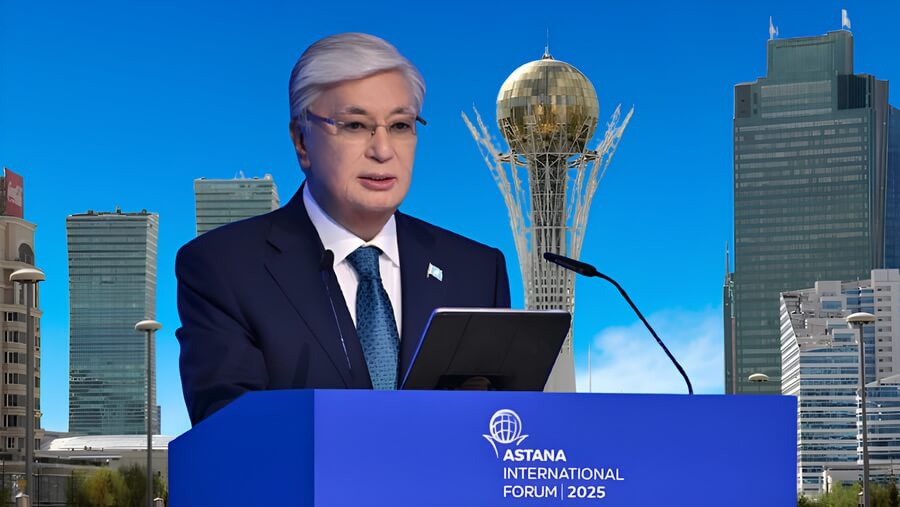
Kazakhstan’s Vision: UN Reform and BeyondKazakhstan, viewing itself as a middle power, appears to be seeking to unite other middle and small nations in an effort to reform the United Nations, particularly its Security Council. However, the major world powers – namely the permanent members of the Security Council –are unlikely to willingly relinquish their dominance in an international organization that was established in the aftermath of the Second World War.
June 01, 2025
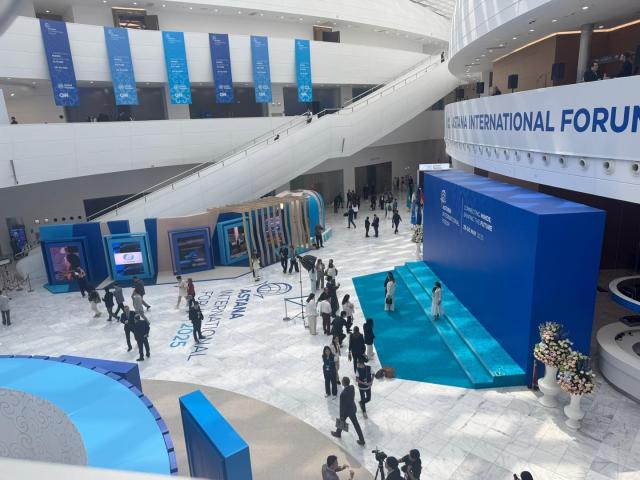
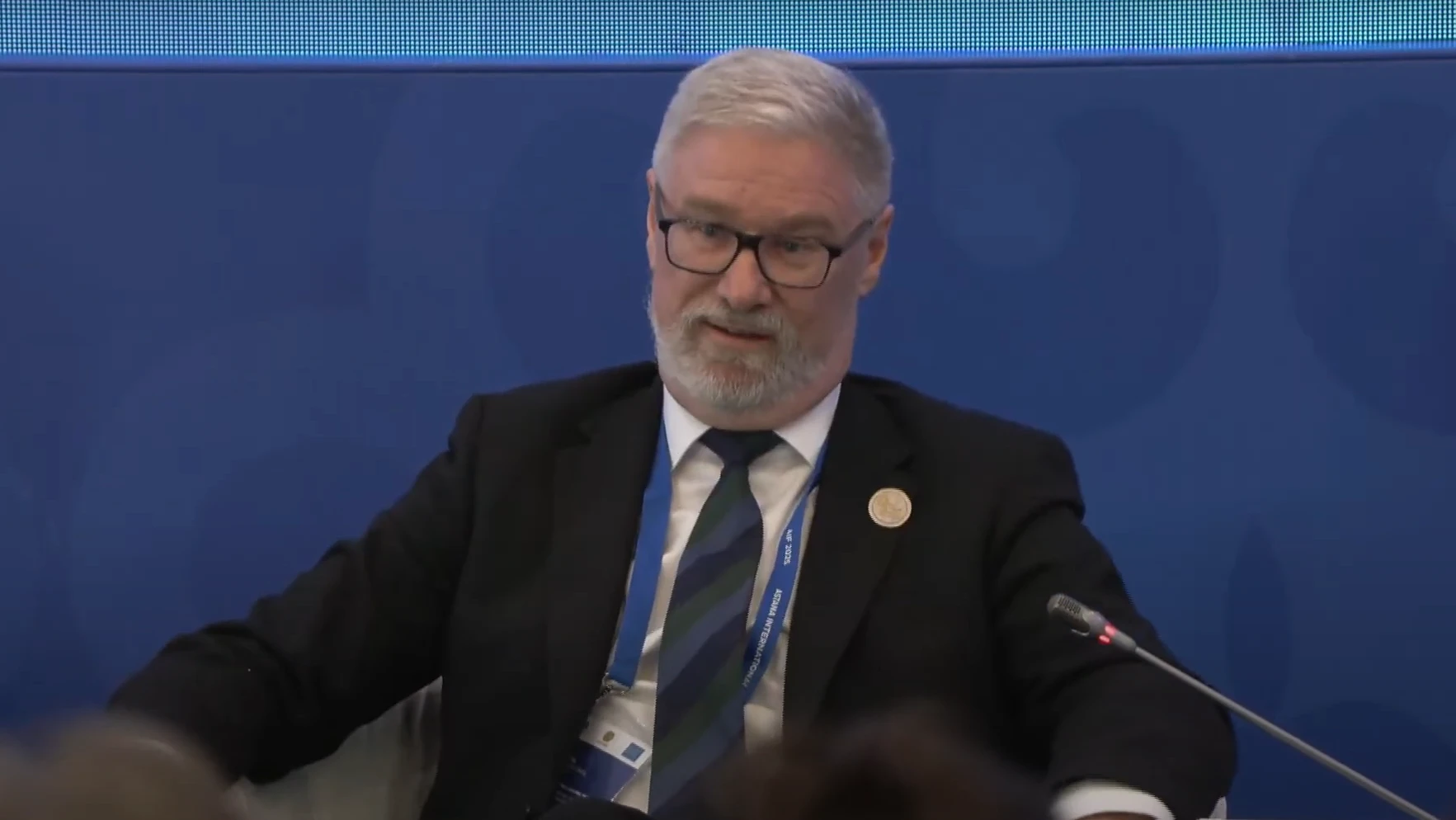
Astana International Forum wraps up with call for stronger global cooperationSEOUL, June 1 (AJP) - A two-day international forum aimed at strengthening multilateral cooperation and tackling global challenges wrapped up in Kazakhstan’s capital on Friday.
May 30, 2025
Trgovina kao oružje: Dobra strategija ili rušenje povjerenja?Panel diskusiji su prisustvovali Lars-Hendrik Röller, osnivač i predsjedavajući Berlinskog globalnog dijaloga, Bertrand Badré, glavni izvršni direktor i osnivač BlueOrange Capitala i bivši generalni direktor Svjetske banke, Daniel F. Runde, viši potpredsjednik i direktor CSIS i Timur Turlov, Glavni izvršni direktor, Freedom Holding Corp.
May 30, 2025
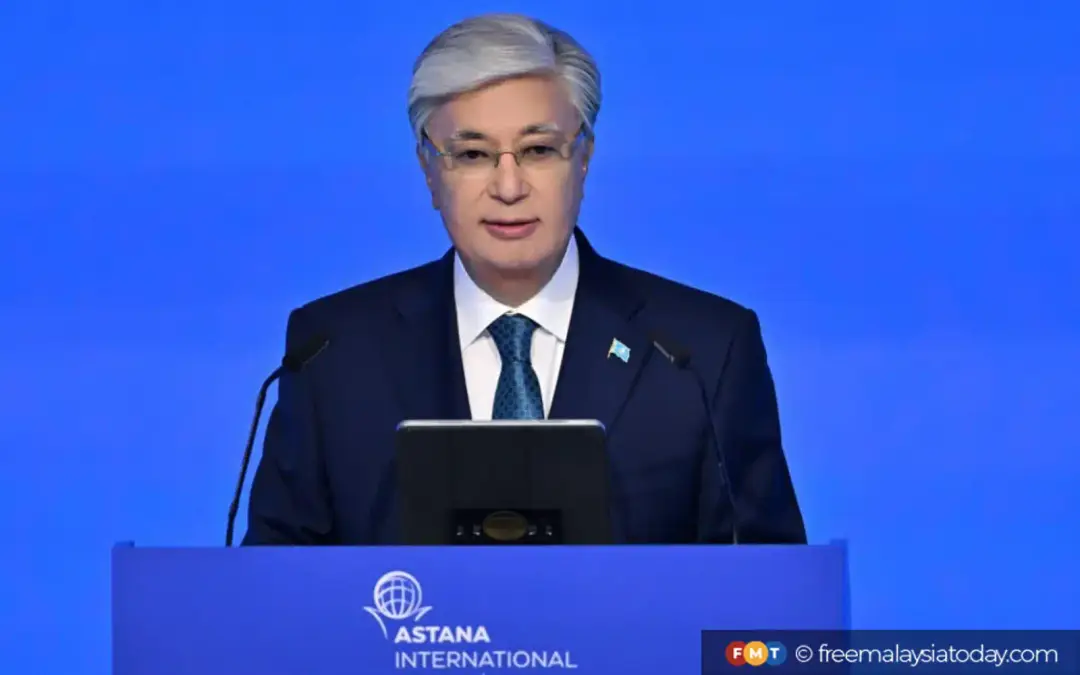
Kazakhstan to create ‘Crypto City’, train 1 million citizens in AIASTANA:Kazakhstan plans to establish a “Crypto City”, where cryptocurrencies can be used for purchasing goods and services, and to train one million of its citizens in artificial intelligence (AI) over the next five years.
Kazakhstan president Kassym-Jomart Tokayev, who announced the “Crypto City” initiative at the Astana International Forum here, said the country is committed to investing in human capital and expanding opportunities for young professionals.
“Our immediate goal is to reduce regional disparities and strengthen the middle class,” he said.